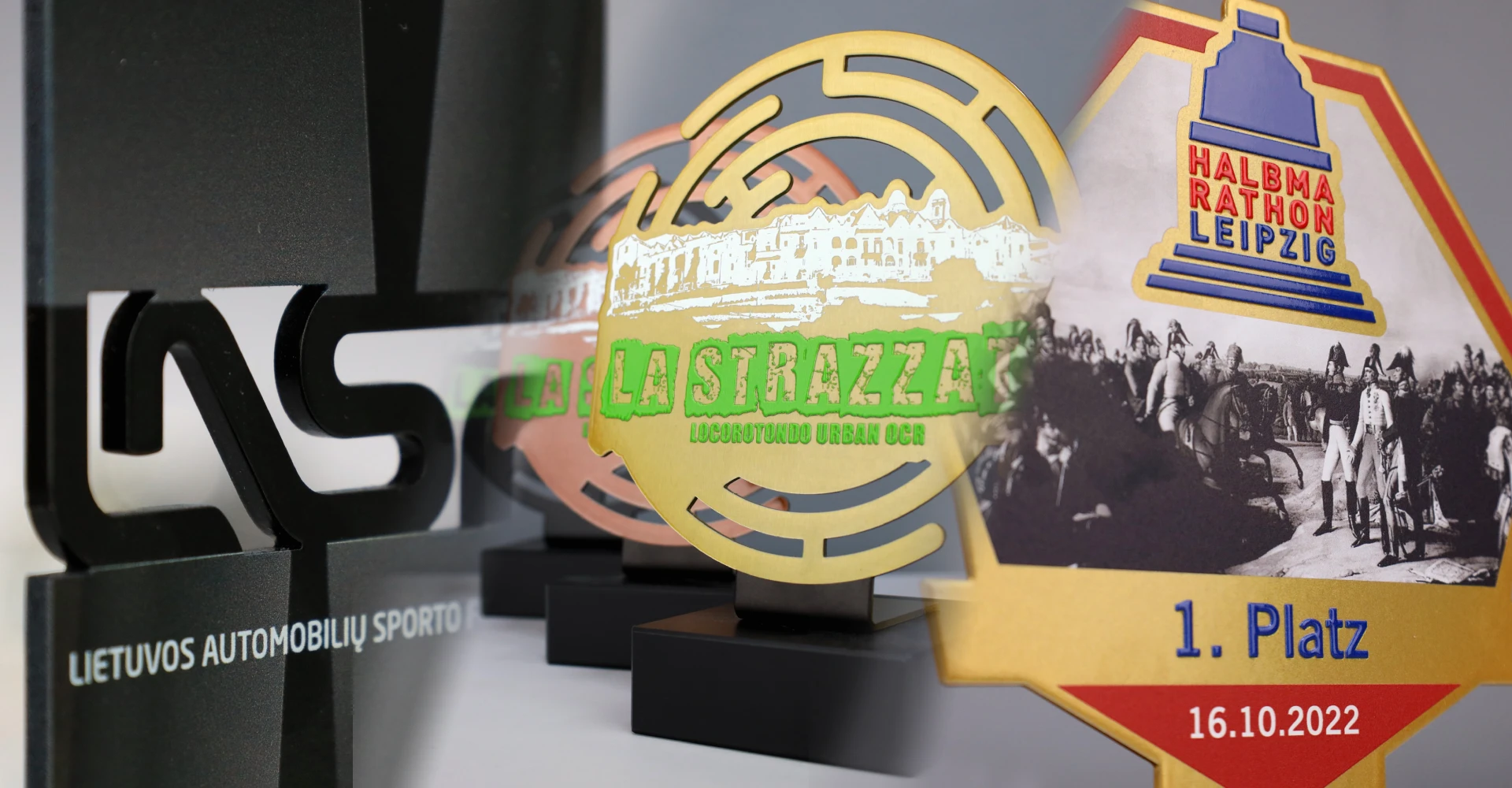
Did you know that, according to Gallup research, as many as 70% of employees believe that being recognised for theirachievements boosts their motivation and engagement? However, the way in which awards are presented can have a significant impact on how they are received – especially in an international environment. Cultural differences mean that what works well in one part of the world may be entirely unsuitable in another.
Cultural Differences in Approaches to Recognition
In Western countries such as the United States or Germany, public recognition plays a pivotal role. Formal ceremonies, where award recipients are invited on stage and applauded, are the norm. By contrast, many Asian cultures – for instance, Japan and China – place a higher value on modesty. Public honours in these regions can cause discomfort, so awards are often presented in a more discreet setting.
The symbolism of the award itself is also crucial. Gold and silver elements might be considered symbols of prestige in many cultures, yet in other parts of the world they may carry quite different connotations. Even the gesture of presenting the award can vary in meaning: a handshake and direct eye contact may be seen as respectful in one culture,
but deemed inappropriate in another.
Tips for Effective Award Ceremonies

Cultural Research
Before organising an event, familiarise yourself with local customs and values.

Flexibility
Adapt the format to reflect regional traditions.

Symbolism
Ensure that the design and presentation of the award are positively received in the culture concerned.

Communication
Clearly explain the purpose and significance of the award.

Personal Approach
A heartfelt, individual ‘thank you’ can often have a greater impact than a lavish celebration.

Practical Examples

USA
Glamorous gala events are popular, where recipients collect their awards in front of the entire team.

JAPAN
Presentations usually occur in a more intimate setting, to avoid drawing too much attention to the individual.

ASIA
Ceremonies have a strong symbolic focus, and gestures of respect and courtesy are paramount.

Modern Approaches to Presenting Awards

AR and VR Technologies
Imagine a ceremony where winners can explore their achievements through augmented reality.

Storytelling
Sharing success stories about employees helps forge an emotional bond with the audience.

Hybrid Events
Combining an in-person celebration with an online broadcast enables the whole global workforce to join in.

Personalisation
Awards with personal significance to the recipient tend to be more meaningful.
Conclusion
Appreciating cultural differences in award presentations is vital for success in international business. Being sensitive to local practices and tailoring events to the cultural context strengthens connections and fosters a sense of community within a global team. Remember, recognising an employee is not just a token gesture – it is an investment in their professional growth and loyalty, bringing long-term benefits to the entire organisation.
English ✓
Deutsch
Français
Español
Italiano
Magyar